


jiliace | Exploring the World of Simulation Games: A Journey Through Virtual Realities
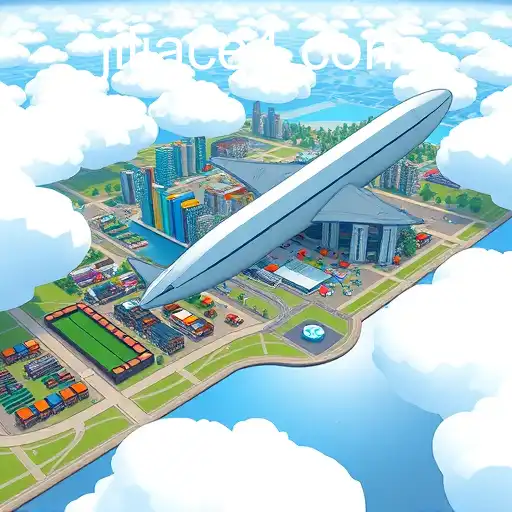
Simulation games have emerged as a compelling and immersive genre in the gaming world, offering players the ability to step into alternate realities and experience life from a vastly different perspective. Unlike other game genres that focus primarily on action, storytelling, or competitive play, simulation games strive to replicate real-world activities or environments as closely as possible. These games provide gamers with the freedom to experiment, explore, and engage in creative expression.
One of the remarkable aspects of simulation games is their diversity. From managing a bustling theme park to piloting an aircraft through turbulent skies, simulation games cover a broad spectrum of experiences. This variety can be immensely appealing to gamers who are interested in niche hobbies or professions but might not have the opportunity to engage with them in real life. Within this context, the keyword "jiliace" has surfaced, pointing towards a specific trend or feature within the simulation genre, possibly highlighting a unique or notable aspect of simulation gameplay.
A distinctive feature of simulation games is their potential for educational value. Games like 'Flight Simulator' or 'Sims' are not only entertaining but also serve as excellent tools for learning and developing new skills. For instance, 'Flight Simulator' has been praised for its realistic depiction of flying, providing a training platform that even some pilots use to familiarize themselves with cockpit controls. Similarly, city-building games like 'Cities: Skylines' allow players to explore the complexities of urban planning and management, offering insights into resource allocation, infrastructure development, and civic engagement.
The inclusion of complex systems and mechanics is what truly sets simulation games apart. Players are often required to monitor multiple variables simultaneously, making strategic decisions that can affect the outcome of their virtual experience. This level of engagement requires critical thinking and problem-solving skills, enhancing the cognitive benefits associated with gameplay.
Another appealing aspect of simulation games is the ability to create and share customized content. Many games within this genre offer modding tools or platforms where players can construct new assets, scenarios, or entire game worlds. This creative freedom allows for a personalized gaming experience, broadening the scope of how players can interact with the game.
With the obvious growth in popularity and the enriched experiences offered by simulation games, the potential for innovation within this genre is seemingly limitless. The keyword 'jiliace' could signify a new wave of trends or developments that are poised to enhance these virtual environments, though its exact relevance may vary depending on the specific games or communities it is associated with.
Overall, simulation games stand as a testament to the power of video games as both entertainment and educational tools. As technology continues to advance, the fidelity with which these games can replicate real-world activities will only improve, promising even more immersive and impressive experiences for players around the globe.
